+65 63232320
9am to 6pm
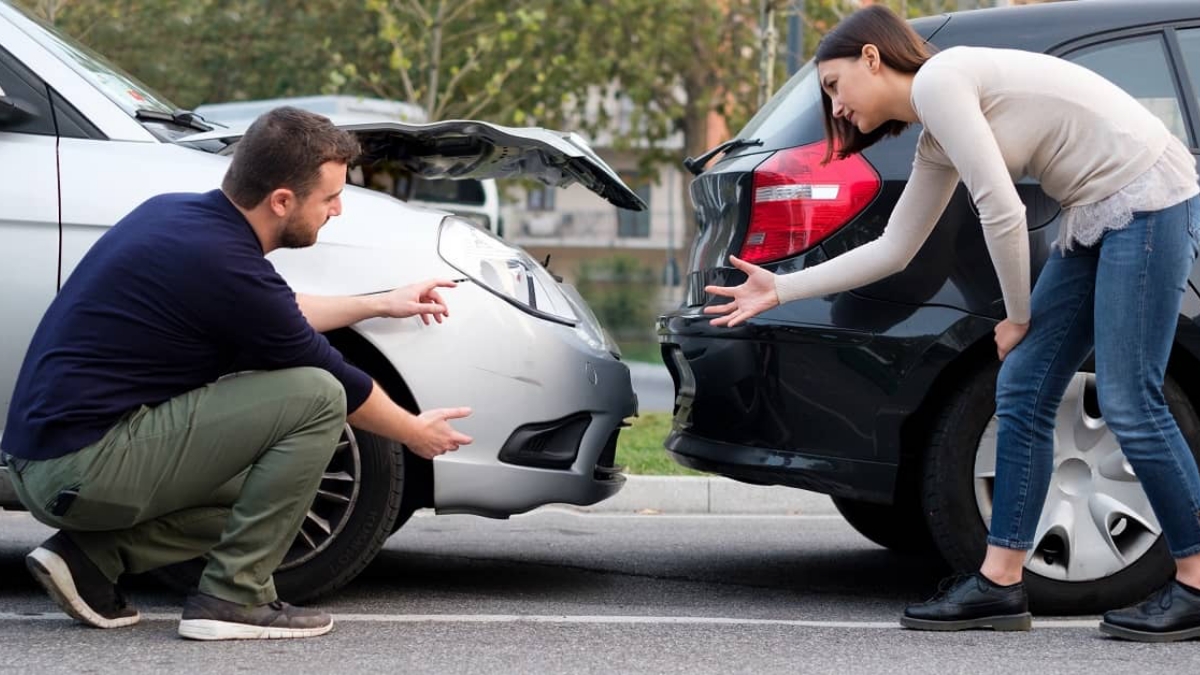
After a car accident, the most instinctive question is: “So who’s at fault?” It’s not always easy to prove fault, but you can benefit from knowing how it is established. In this post, we will walk you through the most crucial considerations when it comes to figuring out liability for the collision in layman’s terms and plain English.
What is fault in a car crash?
In car accidents, fault is the question of whether an at-fault motorist caused a crash. This is important because it affects who will be responsible for the losses and injuries. If you’re the victim, a negligent driver usually bears responsibility to pay for your damages through their insurance.
How Insurance Carriers Determine Fault How Do They Know?
Fault is determined by the insurance companies Largely, who caused a car accident will have an impact on a car accident case in Florida. And, after an accident, they piece together what happened by reviewing police reports and interviewing witnesses — as well as investigating the damage to vehicles. The point is to figure out who was in the wrong, or which driver didn’t obey the rules of the road.
How to Protect Yourself After a Car Accident
Even if you’re not sure who caused the accident, make sure to gather as much information as possible at the scene. Take pictures of the damage, get the contact information of witnesses, and call the police. This will help you and your insurance company figure out what happened.
Conclusion: The Right Help After an Accident
So, ultimately, determining fault in an automobile accident is crucial for protecting your rights and the money you get to keep at settlement. With the essentials above, as well as a good accident lawyer in Singapore by your side, you should be able to go through this process with peace of mind.
After all, an accident lawyer can provide expert advice, help collect evidence and then negotiate on your behalf. This is whether you are negotiating with insurance companies or going to court, having representation does make a difference.